

Why Cheap Concrete Fails Fast in Iowa: 6 Shortcuts
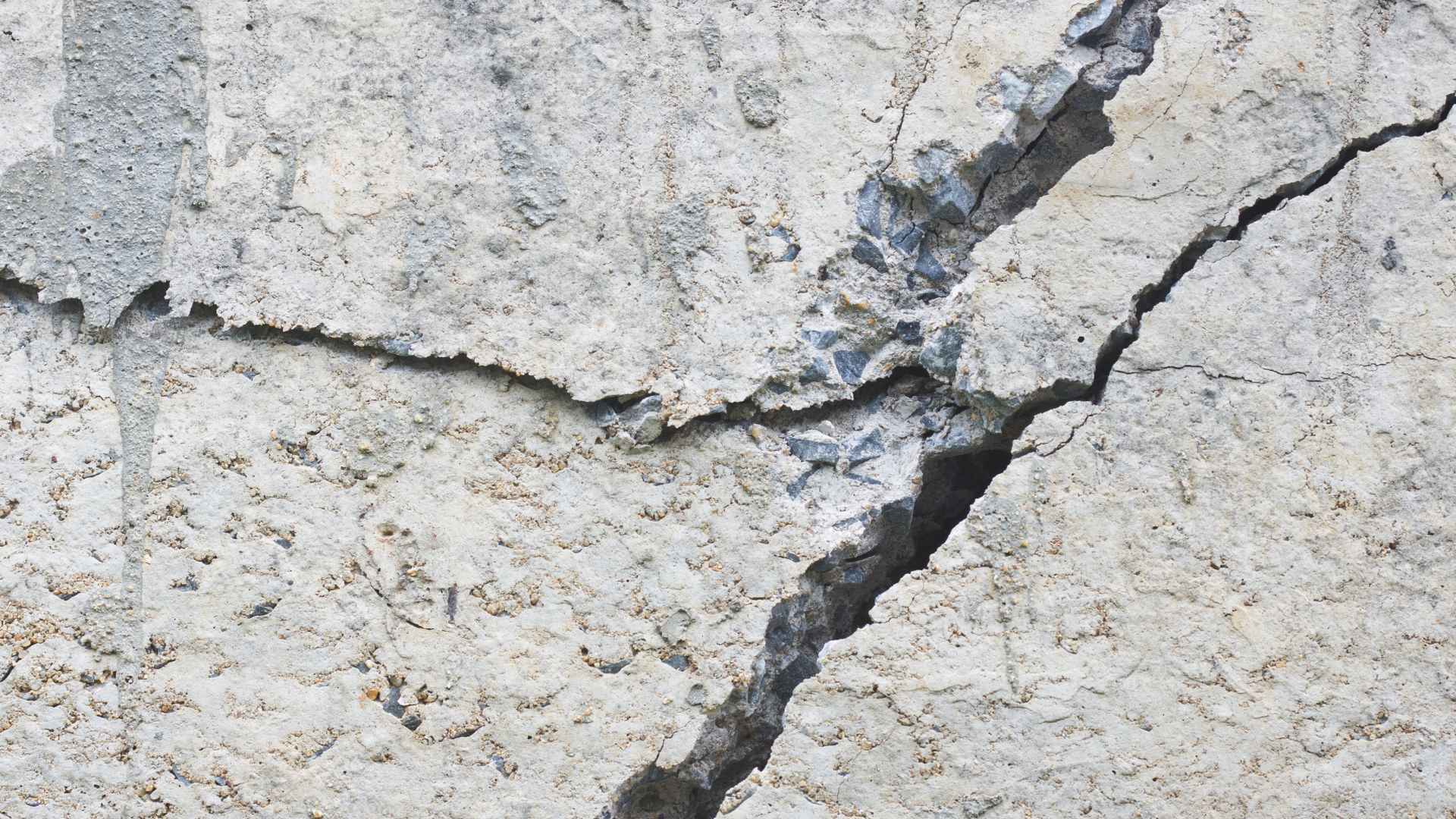
Two concrete driveways can look nearly identical when they are finished and perform very differently a few years later. The difference often comes down to work homeowners cannot see after the pour, including subgrade preparation, reinforcement, mix design, water content, placement, and finishing. If you are researching the best time to schedule concrete work in Iowa, timing matters, but installation quality matters more. Cutting corners on these six steps can shorten the life of a driveway, patio, or other concrete slab.
Andrew Quick, owner of Quick Concrete Solutions in Waukee, a western suburb of Des Moines, walked through those six shortcuts on Episode 8 of The Concrete Blueprint, “Why Does Cheap Concrete Work Fail So Fast?”, drawing on the company’s concrete driveway work across Central Iowa.
Why Does Poor Subgrade Preparation Cause Concrete to Fail?
Poor subgrade preparation causes concrete to fail because a slab is only as stable as the ground supporting it.
Before a driveway, patio, or parking area is poured, the soil underneath needs to be evaluated and properly prepared. Iowa properties can have different soil conditions, moisture levels, and compaction needs, so simply removing old concrete and pouring new material into the same space is not always enough.
The subgrade may need to be excavated, adjusted for moisture, rebuilt in layers, and compacted until it provides a firm, uniform base.
Iowa DOT specifications for paved driveways similarly call for subgrade to be prepared so it is firm, smooth, uniform, and at the required elevation before concrete placement.
Andrew Quick of Quick Concrete Solutions puts the importance of this step plainly:
“Without that, you might as well skip everything else.”
Poorly compacted soil can settle or move after the concrete is installed. The slab above it may eventually follow, resulting in uneven sections, cracking, sinking, or separation.
Once concrete covers the ground, homeowners cannot see whether the preparation underneath was done correctly. That is why subgrade work should never be treated as an easy place to save money.
What Happens When Rebar Is Missing or Installed Incorrectly?
When rebar is missing or sits in the wrong place, the slab loses the reinforcement that holds it together as it moves and carries loads.
Concrete naturally expands, contracts, shrinks, and carries loads. Small cracks can occur even in well-built slabs. Proper reinforcement helps control movement and keeps those cracks from developing into larger separations.
But simply placing rebar on the job site is not enough.
Rebar needs to sit in the intended position within the concrete. If it is left on the ground, pushed downward during the pour, or driven over by equipment, it may not provide the reinforcement the slab was designed to receive.
Rebar chairs are commonly used to hold the steel at the proper elevation while concrete is placed around it.
Andrew explains that reinforcement should be positioned within the body of the slab so it can help hold the concrete together as movement occurs.
That distinction matters because a homeowner could look at the prepared area, see a grid of rebar, and assume everything is ready. If the steel ends up lying underneath the slab instead of properly embedded in it, the finished driveway can still look completely normal.
Correct materials only work when they are installed correctly.
Why Does the Concrete Mix Matter in Iowa?
The concrete mix matters in Iowa because driveways and patios here face moisture, freeze-thaw cycles, and deicing materials, so one mixture does not fit every project.
Driveways, patios, sidewalks, parking areas, and commercial slabs face different loads and environmental conditions. The mix should be selected based on how the concrete will be used and what it will be exposed to.
As Andrew explains on The Concrete Blueprint, “Concrete is not just concrete.”
Concrete mixes can vary in strength and may contain different admixtures that affect workability, setting time, durability, and performance in hot or cold conditions.
This becomes particularly important for outdoor concrete in Iowa, where slabs may experience moisture, freezing temperatures, thawing, and deicing materials.
The Federal Highway Administration notes that concrete mixture design should account for required strength, durability, exposure conditions, and the water-to-cementitious-material ratio.
Choosing the right mix is only part of the job. That concrete must then be delivered, placed, finished, and cured properly.
The shortcut happens when every project is treated the same because using a familiar mix is easier than selecting one that fits the actual application.
Why Does Adding Too Much Water Weaken Concrete?
Adding too much water weakens concrete because it changes the water-to-cement balance the plant designed for strength and durability. Fresh concrete needs enough workability for crews to place and finish it properly, and extra water can make that job easier, but uncontrolled water additions change the mixture that was designed at the plant.
Concrete strength and durability depend partly on the relationship between water and cementitious materials.
The American Cement Association explains that water-cement ratio plays an important role in concrete strength and that mixtures must balance sufficient workability with the water needed to achieve the desired performance.
Andrew describes seeing crews add 30 or 40 gallons of water to concrete simply to make it easier to work.
The troubling part for homeowners is that the slab may still look good afterward.
A skilled finisher can produce neat edges and an attractive surface even when the mix has been altered. There may be no obvious visual clue that anything went wrong.
Problems may appear later through reduced durability, premature deterioration, or cracking.
This is one reason new concrete should not be judged only by how smooth or attractive it looks on installation day.
How Can Poor Placement Methods Damage Concrete?
Poor placement can damage concrete by disturbing the base, knocking rebar out of position, and leaving gaps between loads, even when the mix and reinforcement were right when the truck arrived.
Crews need to move concrete into place efficiently without damaging the base or pushing reinforcement out of position.
Quick Concrete Solutions frequently uses pump trucks on residential projects where site conditions and reinforcement make them useful. A pump can move concrete directly from the ready-mix truck to the placement area without requiring equipment to repeatedly travel across the rebar.
That can help protect the reinforcement underneath.
If buggies or other equipment drive across a prepared rebar grid, steel can bend, shift, or fall from its supports. Once the concrete covers it, the homeowner may have no way of knowing that happened.
Placement speed also matters.
Long delays between loads can contribute to cold joints when one area of concrete begins setting before adjoining concrete is properly placed.
A pump truck is not automatically required for every slab. Some projects have easy truck access, while certain residential applications may use structural fiber instead of traditional rebar.
The important point is that the placement method should fit the design of the project rather than simply being the cheapest or easiest option available.
How Can Good Finishing Hide Poor Concrete Work?
Good finishing can hide poor concrete work because a clean surface says nothing about the subgrade, the rebar, or the water added underneath it.
Finishing is one of the easiest parts of a concrete project for homeowners to judge.
You can see straight edges. You can inspect broom lines. You can notice whether the surface looks clean and consistent.
Those things matter, but they do not tell the whole story.
A talented finisher can make a slab look excellent even if the subgrade was poorly prepared, the concrete varies in thickness, the rebar dropped out of position, or excessive water was added to the mix.
That is why Andrew warns against assuming a new driveway is high quality simply because it looks good immediately after installation.
The real test comes later.
Exterior concrete in Iowa can face repeated freezing and thawing, moisture exposure, vehicle loads, and deicing chemicals. The Federal Highway Administration explains that freeze-thaw exposure can contribute to scaling, spalling, and other deterioration, especially when concrete becomes saturated. Our guide to why Iowa driveways crack explains how that damage starts.
Finishing should complete a properly built slab. It should never be used to hide shortcuts underneath it.
Why Can the Cheapest Concrete Quote Cost More Over Time?
The cheapest concrete quote can cost more over time when it leaves out preparation or installation steps that keep a slab from failing early.
Homeowners should compare concrete estimates. Price matters, and a lower quote does not automatically mean a contractor plans to cut corners.
The question is why the price is lower.
Whether you are collecting bids in Waukee, Urbandale, or Ankeny, if one estimate is dramatically below the others, compare what each contractor is actually providing. Look at:
Subgrade preparation
Slab thickness
Reinforcement
Concrete mix
Placement method
Curing process
Labor and equipment
A cheaper contractor may simply operate differently. But if major preparation or installation steps are missing, the upfront savings can become expensive later. Our guide to concrete driveway cost in Des Moines explains why the cheapest bids often fail.
Andrew describes his approach as “cry once.” Spending more on a properly built slab may make more financial sense than saving money initially and replacing failed concrete years earlier than expected.
Curing is another step that should not be overlooked. The American Concrete Institute explains that curing maintains moisture and temperature conditions that allow concrete to develop its intended properties.
The real value of concrete is not just what it costs on installation day. It is how well it performs over its useful life.
What Does Concrete Built to Last Look Like Before the Pour?
Quality concrete starts long before the surface is finished.
A properly installed slab begins with stable, compacted ground. Reinforcement must be selected and positioned correctly. The concrete mix should match the application. Water content needs to remain controlled. Placement methods should protect the work underneath, and finishing should complete the project without hiding shortcuts.
Homeowners do not need to understand every technical detail of concrete construction. They should, however, work with a contractor who can clearly explain what is being done and why.
Before the pour, ask about the subgrade, reinforcement, concrete mix, placement method, and curing plan. Those answers often reveal far more about long-term quality than looking at pictures of freshly finished driveways.
The National Ready Mixed Concrete Association also emphasizes that concrete durability requirements should account for environmental exposures such as freezing and thawing.
If you are considering a new driveway or patio and asking about the best time to schedule concrete work in Iowa, remember that choosing the right season is only part of getting a lasting result. Proper preparation and installation ultimately determine how well that concrete performs. When you are ready to compare bids, request a free estimate from Quick Concrete Solutions and ask the crew to walk you through each of these six steps.
Watch the Full Podcast Episode
Want to hear Andrew Quick explain these concrete shortcuts in more detail? Watch the full episode of The Concrete Blueprint on YouTube. Andrew and Mike discuss subgrade preparation, reinforcement, concrete mixes, water additions, pump trucks, placement techniques, and the small installation decisions that can make the difference between concrete that simply looks good today and concrete designed to perform for years.
Frequently Asked Questions
Why does cheap concrete work fail so fast?
Cheap concrete work usually fails early because of shortcuts hidden under the surface, such as poor subgrade compaction, rebar left on the ground, the wrong mix, extra water added on site, and rushed placement.
Why does some concrete crack shortly after installation?
Concrete can crack because of shrinkage and normal movement, but poor subgrade preparation, incorrect reinforcement, excess water, placement problems, and curing conditions can also contribute. A crack does not automatically mean the slab has failed, but widening or uneven cracks deserve closer attention.
Does cheaper concrete always mean lower quality?
No. Contractors have different overhead, equipment, crews, and installation methods. Instead of judging an estimate only by price, compare what is included in the preparation, reinforcement, slab design, concrete mix, placement, and curing.
Should rebar sit directly on the ground?
Rebar should be positioned according to the slab design so it becomes properly embedded within the concrete. Supports such as rebar chairs can help keep reinforcement at the intended height during placement.
Can structural fiber replace rebar?
Structural fiber can be appropriate for certain residential applications, but it is not automatically a replacement for rebar on every project. Loads, slab design, site conditions, and intended use should determine the reinforcement system.
Why would workers add water to concrete?
Extra water can make fresh concrete easier to place and finish. However, excessive or uncontrolled water additions can alter the designed mix and affect strength and durability.
Is higher PSI always better concrete?
Not necessarily. Compressive strength matters, but durable concrete also depends on proper mix design, subgrade preparation, reinforcement, placement, curing, drainage, and exposure conditions.
Can you judge concrete quality by looking at the finished driveway?
Not completely. The surface can show finishing quality, but many important factors are hidden after installation, including subgrade condition, reinforcement position, slab thickness, and changes made to the concrete mix.
Why is proper concrete installation important in Iowa?
Iowa concrete can experience moisture, freezing and thawing, temperature swings, vehicle loads, and deicing materials. Good preparation, appropriate materials, controlled placement, and proper curing help the slab handle those conditions over time.