

Why Do Concrete Driveways Crack in Iowa? Full Guide
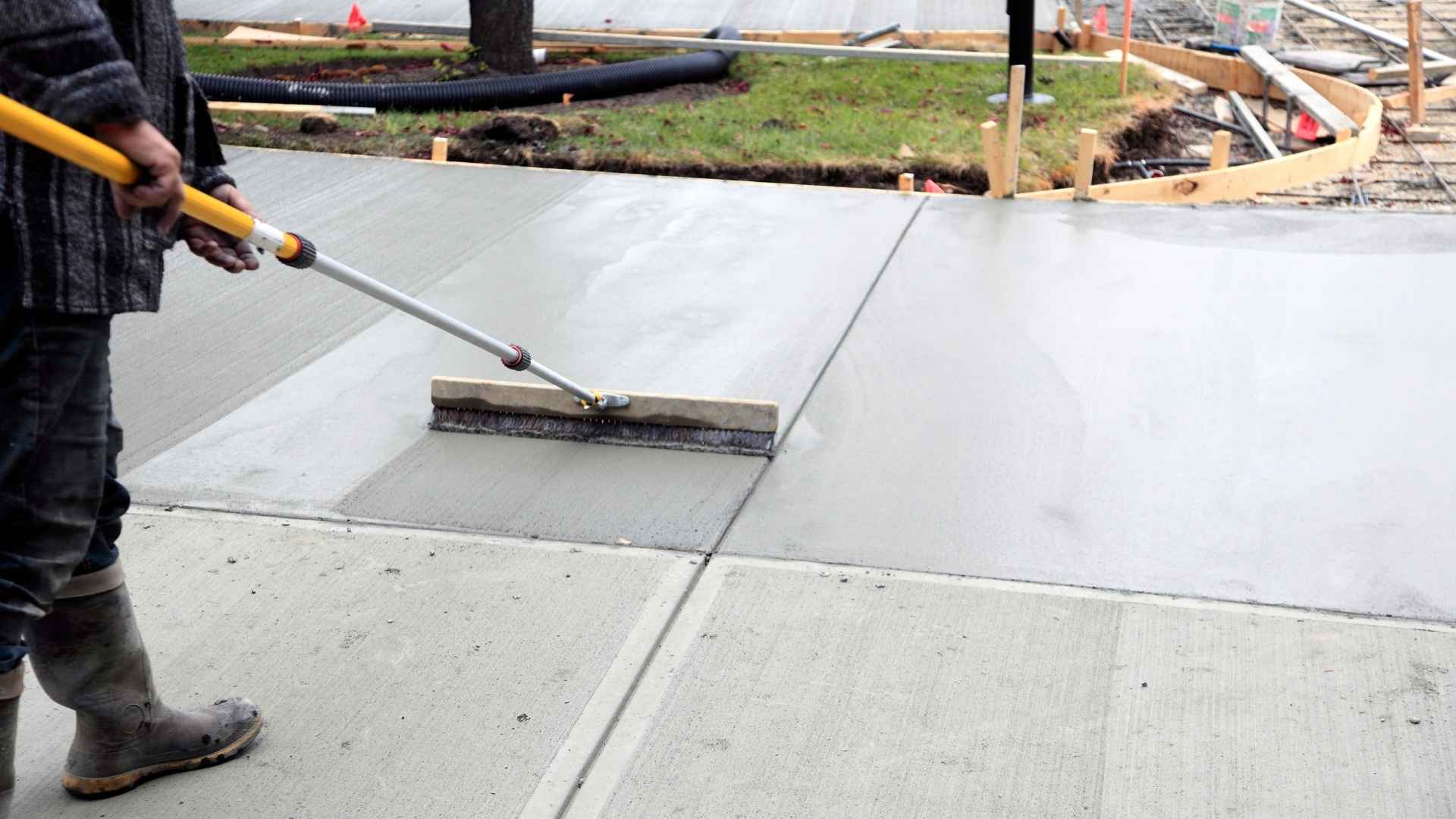
Concrete driveways in Iowa face challenges that homeowners in many other parts of the country rarely experience. Constant temperature swings, moisture infiltration, shifting soils, and seasonal weather patterns place significant stress on concrete year after year. While cracking is common, many of the factors that accelerate damage can be prevented through proper installation, drainage, material selection, and maintenance. Understanding why do concrete driveways crack in Iowa is the first step toward protecting one of the most visible and heavily used surfaces on your property.
On an episode of The Concrete Blueprint, Andrew Quick, owner of Quick Concrete Solutions, discussed the real-world causes of driveway cracking throughout Central Iowa. His insights highlight an important reality: concrete failure is rarely caused by a single event. Instead, it is usually the result of multiple factors working together over time.
What Is a Freeze-Thaw Cycle and Why Is It So Hard on Concrete?
A freeze-thaw cycle occurs when temperatures drop below freezing, causing moisture to freeze, and then rise above freezing, allowing that moisture to thaw. In Iowa, this process can happen repeatedly throughout the winter and early spring.
Water expands when it freezes. When moisture becomes trapped inside concrete or beneath a concrete slab, that expansion creates pressure. Once temperatures rise, the ice melts and contracts. The cycle repeats over and over, creating stress that concrete must absorb.
The problem is that concrete is strong in compression but relatively weak when subjected to tension caused by movement. Over time, these repeated cycles create cracks, widen existing cracks, and weaken the structure of the slab.
This is one reason Iowa driveways experience more weather-related deterioration than driveways in warmer climates.
How Does Water Damage Concrete From the Inside Out?
Many homeowners think of water as a surface problem. In reality, water often causes the most damage when it penetrates beneath the surface.
Concrete is a porous material. While it appears solid, it contains tiny capillaries and voids that can absorb moisture. Rain, melting snow, groundwater, and standing water can all contribute to moisture accumulation.
Once moisture enters the concrete, freeze-thaw cycles begin working against the slab from within.
As Andrew Quick explained on The Concrete Blueprint:
"Concrete doesn't crack because of bad luck. It cracks because something is wrong underneath it or within it."
That statement reflects what experienced concrete contractors see every day. Visible cracks are often symptoms of hidden issues involving moisture, drainage, soil movement, or improper installation.
Water can also damage concrete from below. When soil becomes saturated, it loses stability. This movement transfers stress directly into the slab above.
The result is often cracking, settlement, heaving, or surface deterioration.
Why Is Soil Preparation One of the Most Important Parts of a Driveway?
Homeowners often focus on the finished concrete surface because that is what they see. However, the long-term performance of a driveway depends heavily on what lies underneath.
The subgrade is the prepared layer of soil and aggregate beneath the concrete. It serves as the foundation for the entire slab.
If the subgrade is unstable, the concrete will eventually show signs of distress regardless of how good the concrete itself may be.
Proper soil preparation typically includes:
Removing unsuitable material
Compacting the soil
Addressing soft spots
Installing a suitable rock base
Creating proper drainage pathways
Think of it the same way you would think about building a house. Even the strongest structure can develop problems if the foundation underneath is unstable.
Quick Concrete Solutions regularly evaluates soil conditions before installation because Iowa soils vary significantly from one location to another. Clay-heavy soils can be particularly challenging because they expand and contract as moisture levels change.
When soil shifts, the concrete above it shifts as well.
How Does Poor Drainage Lead to Concrete Cracking?
Poor drainage is one of the most overlooked causes of driveway damage.
Water should never remain around a concrete slab longer than necessary. When drainage systems fail to move water away from the driveway, moisture begins accumulating both on the surface and beneath the slab.
Surface water creates opportunities for moisture infiltration.
Subsurface water saturates the soil and increases movement during freeze-thaw cycles.
Both situations increase the likelihood of cracking.
Proper drainage design involves more than simply creating a slope. Contractors must evaluate grading, runoff patterns, surrounding landscaping, downspout locations, and overall site conditions.
Even a well-built driveway can experience premature deterioration if water management is ignored.
The goal is simple: keep water moving away from the slab as efficiently as possible.
Why Does Soil Movement Cause Concrete to Crack?
Concrete performs best when it is supported evenly across its entire surface.
When some portions of the slab are supported while others lose support, stress concentrations develop.
These stresses often create several forms of cracking.
Settlement cracking occurs when soil beneath the slab compresses or shifts after installation. This can happen because of inadequate compaction, erosion, or changing moisture conditions.
Heaving occurs when soils expand upward, often due to freezing moisture or expansive clay soils.
Both scenarios force the concrete to absorb movement it was never designed to handle.
In Iowa, soil movement is particularly common because seasonal moisture levels fluctuate significantly throughout the year.
This is why experienced contractors spend considerable time preparing the subgrade before pouring any concrete.
Can the Wrong Concrete Mix Make Freeze-Thaw Damage Worse?
Not all concrete mixes are designed for the same applications.
Concrete used for a driveway must withstand vehicle loads, weather exposure, moisture intrusion, and freeze-thaw cycles. A mix designed for another application may not provide the same durability.
Strength is often measured in PSI, or pounds per square inch.
Residential driveways commonly utilize higher-strength mixes than some other residential concrete applications because of the demands placed upon them.
However, the mix design itself is only part of the equation.
How the concrete is handled during installation is equally important.
Why Is Adding Too Much Water Such a Big Problem?
One of the most common installation mistakes occurs when excess water is added to the concrete mix.
Contractors sometimes add water because it makes concrete easier to place and finish. Unfortunately, convenience often comes at the expense of long-term performance.
According to Andrew Quick, adding 20 to 40 gallons of water can significantly reduce concrete strength.
Excess water creates additional voids within the hardened concrete. Those voids increase moisture absorption and make the slab more vulnerable to freeze-thaw damage.
The consequences may include:
Reduced strength
Increased cracking
Surface scaling
Spalling
Shorter service life
A driveway may look perfectly fine immediately after installation while hidden weaknesses are already developing beneath the surface.
Quality concrete work requires discipline and proper placement practices from start to finish.
Does Rebar Actually Prevent Concrete Cracks?
Many homeowners assume rebar prevents cracks entirely.
That is not its primary purpose.
Concrete naturally develops some cracking over time. Reinforcement helps control movement and maintain structural integrity after cracking occurs.
Rebar works best when positioned properly within the slab.
As Andrew Quick noted, one of the most common mistakes contractors make is placing rebar directly on the ground before pouring concrete.
If rebar settles at the bottom of the slab, its effectiveness is greatly reduced.
Professional installations often utilize rebar chairs or other support systems that hold reinforcement in the proper position while the concrete is placed.
Rebar should be viewed as one component within a larger system that includes:
Proper subgrade preparation
Drainage management
Correct mix design
Appropriate thickness
Quality workmanship
No single element can compensate for deficiencies elsewhere.
What Is the Difference Between Cosmetic, Settlement, and Structural Cracks?
Not all cracks indicate the same level of concern.
Cosmetic Cracks
Cosmetic cracks are typically small, narrow cracks that do not involve movement or displacement. They often occur as concrete shrinks during curing.
While they may affect appearance, they generally do not impact structural performance.
Settlement Cracks
Settlement cracks occur when soil beneath the slab moves or settles.
These cracks may become wider over time and can indicate underlying support issues.
Structural Cracks
Structural cracks are more serious.
They may involve significant width, vertical displacement, separation, or ongoing movement.
Structural cracking often points to substantial soil movement, loading issues, or long-term deterioration.
When homeowners notice widening cracks, uneven surfaces, or changes in elevation, professional evaluation is recommended.
What Are the Most Common Causes of Driveway Cracking in Iowa?
Although every project is unique, five causes consistently appear across residential concrete failures in Central Iowa.
Freeze-Thaw Cycles
Repeated expansion and contraction place ongoing stress on concrete and supporting soils.
Poorly Compacted Subgrade
Unstable soil creates movement that eventually transfers into the slab.
Excess Water in the Concrete Mix
Overwatered concrete loses strength and becomes more susceptible to damage.
Overloading
Heavy vehicles and loads can exceed what a residential driveway was designed to support.
Shrinkage During Curing
Rapid moisture loss during curing can create cracks before the concrete reaches full strength.
Most cracking issues involve one or more of these factors working together.
What Can Homeowners Do to Protect Their Driveways?
While homeowners cannot control Iowa's weather, they can take several steps to extend driveway life:
Maintain proper drainage around the property.
Address standing water promptly.
Avoid parking excessively heavy vehicles on residential driveways unless the slab was specifically designed for those loads.
Seal cracks when appropriate to reduce moisture intrusion.
Monitor changes in cracking patterns over time.
Most importantly, work with experienced concrete contractors who understand Iowa's climate, soils, and construction requirements. Quality installation remains one of the most effective forms of prevention.
Why Professional Installation Matters More Than Many Homeowners Realize
Concrete installation involves far more than pouring a slab and waiting for it to harden.
Successful projects require proper site evaluation, soil preparation, drainage planning, reinforcement placement, mix selection, finishing techniques, and curing practices.
Mistakes made during installation often remain hidden for months or even years before becoming visible.
As Andrew Quick put it:
"Generally speaking, concrete does two things: it gets hard, and it cracks."
The goal is not to eliminate every crack forever. The goal is to minimize cracking, control where it occurs, and maximize the lifespan of the driveway.
That requires expertise, planning, and attention to detail from the very beginning.
Understanding the real answer to why do concrete driveways crack in Iowa helps homeowners make informed decisions about installation, maintenance, and repairs. With proper planning, quality workmanship, and attention to drainage and soil conditions, concrete driveways can withstand Iowa's demanding climate and deliver reliable performance for many years.
Watch the Full Podcast Episode
Want to learn more directly from the experts? Watch the full episode of The Concrete Blueprint featuring Andrew Quick of Quick Concrete Solutions. The conversation dives deeper into freeze-thaw cycles, drainage, soil preparation, reinforcement, and the installation practices that help Iowa homeowners get the most from their concrete investment. It's an excellent resource for anyone planning a new driveway or trying to understand existing concrete problems.
FAQs
How often do freeze-thaw cycles occur in Iowa?
Freeze-thaw cycles can occur repeatedly throughout fall, winter, and spring whenever temperatures fluctuate above and below 32 degrees Fahrenheit.
Is it normal for concrete driveways to crack?
Yes. Concrete naturally develops some cracking over time. The goal is to control and minimize cracking through proper design and installation.
Does sealing a driveway prevent cracking?
Sealing can help reduce moisture penetration, which may reduce the risk of freeze-thaw damage. However, sealing alone cannot prevent all cracking.
What causes concrete spalling?
Spalling occurs when the surface of the concrete flakes, chips, or breaks away. Freeze-thaw damage, excess moisture, and poor concrete quality are common contributors.
Can poor drainage damage a driveway?
Yes. Poor drainage allows water to collect around and beneath the slab, increasing soil movement and freeze-thaw stress.
Does rebar stop concrete from cracking?
No. Rebar helps control movement and maintain structural integrity, but it does not completely prevent cracking.
How can I tell if a driveway crack is serious?
Cracks that widen over time, show vertical displacement, or create uneven surfaces should be evaluated by a professional.
How long should a concrete driveway last in Iowa?
A properly installed and maintained concrete driveway can last for decades, though lifespan depends on installation quality, drainage, weather exposure, and ongoing maintenance.