

Concrete Driveway Cost Des Moines: Why Cheap Bids Fail
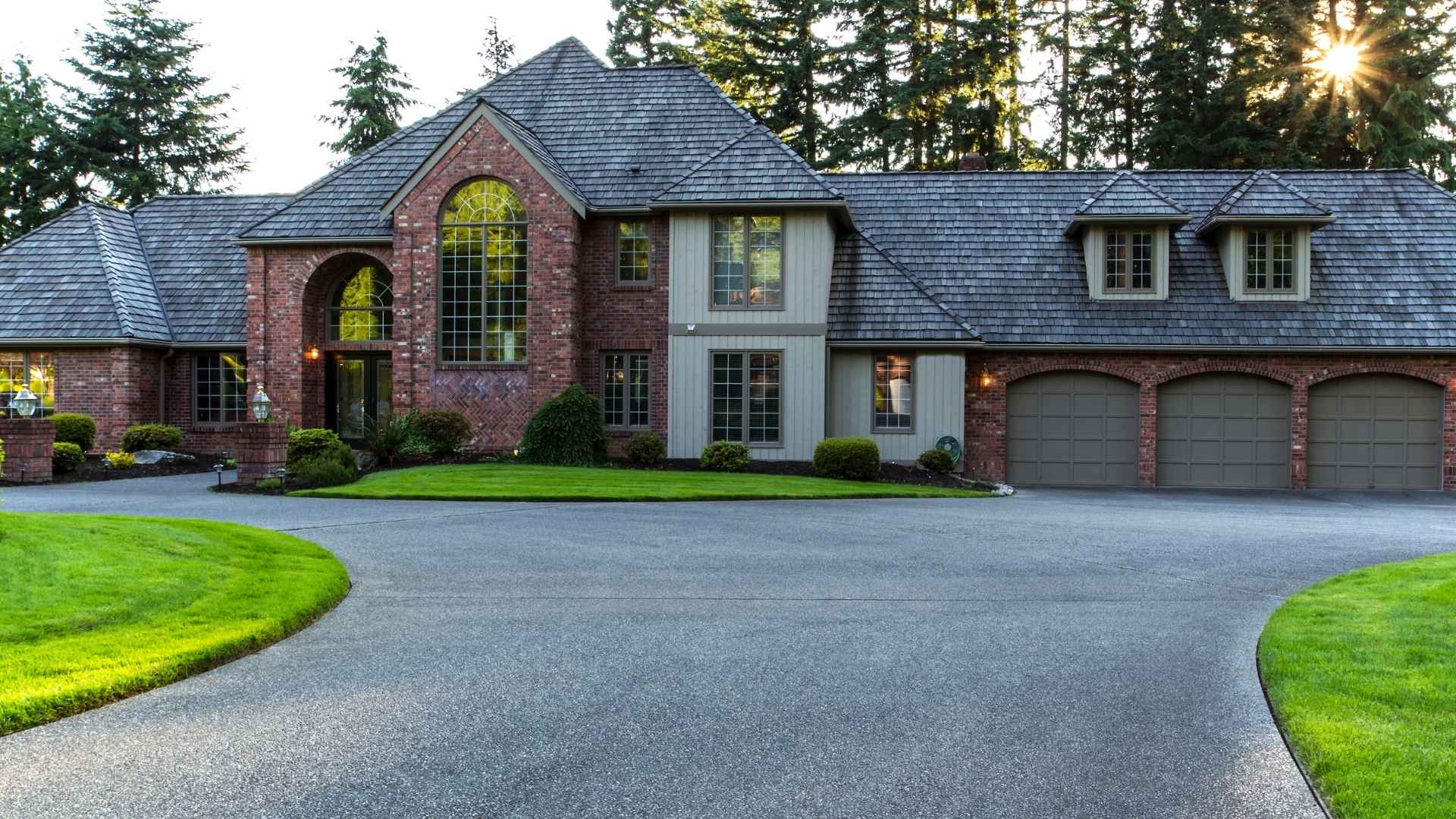
When homeowners research concrete driveway cost Des Moines offers, they usually want a simple number. But in Iowa, the better question is what makes one driveway last decades while another starts cracking, sinking, or scaling after only a few winters. The answer is rarely just the concrete. Most early driveway failures begin below the surface, long before the first tire rolls across the slab.
Iowa Weather Is Tough on Concrete
Concrete driveways in Iowa face more than normal wear and tear. They deal with freezing temperatures, spring thaw, heavy rain, snowmelt, humidity, road salt, and shifting soil. That combination puts steady pressure on a driveway year after year.
When water enters small pores or cracks, it can freeze and expand. As temperatures rise, it thaws and moves again. This freeze-thaw cycle repeats throughout the season, widening cracks and exposing weak spots in the driveway system.
That is why a driveway built for a warmer climate is not always built for Central Iowa. A slab can look smooth on day one and still be vulnerable if the base, mix design, drainage, reinforcement, or finishing process was handled poorly.
Experienced local contractors understand this. National averages and online cost calculators often miss the realities of Iowa soil, Midwestern winters, and the extra steps required to build a driveway that holds up.
Early Driveway Failure Usually Starts Below the Surface
A concrete driveway is only as reliable as the base underneath it. Homeowners see the finished slab, but the most important work is often hidden once the concrete is poured. If the subgrade is unstable, poorly compacted, or full of unsuitable soil, the slab above it is already at a disadvantage.
Think of the driveway as a full system. The concrete surface matters, but it works with the soil, stone base, reinforcement, drainage, control joints, and concrete mix. If one part of that system is weak, the whole driveway becomes more likely to fail.
Poor subgrade preparation can lead to settling. Settling can create voids beneath the slab. Once the concrete is unsupported, normal vehicle loads can cause cracking and movement. In winter, moisture in the base can freeze and create even more pressure.
Andrew Quick of Quick Concrete Solutions puts strong emphasis on site-specific preparation. In the podcast, he explains that driveway replacement depends on several factors, including size, complexity, reinforcement, mix design, equipment access, and subgrade quality. That answer may not be as simple as a square-foot price, but it is far more accurate.
The Problem With Shopping by the Cheapest Bid
It is understandable that homeowners compare prices. A driveway replacement is a major investment, and nobody wants to overpay. The danger comes when the lowest number becomes the only number that matters.
Two contractors can look at the same driveway and provide estimates that differ by thousands of dollars. From the outside, that can feel confusing. But often, those estimates are not actually for the same scope of work.
One contractor may include excavation, proper stone base, compaction, rebar chairs, pump truck access, upgraded mix design, grading, backfilling, and cleanup. Another may offer a lower price by leaving out steps the homeowner cannot easily see.
That is where the hidden costs begin. If the cheaper driveway fails early, the homeowner may have to pay for demolition, removal, disposal, new base preparation, and full replacement much sooner than expected.
Andrew warns that when a driveway is done improperly, major failures can show up within two to five years. That is a painful timeline for something homeowners expect to last decades.
Why Concrete Mix Design Matters in Iowa
Not all concrete is the same. For exterior flatwork in a freeze-thaw climate, the mix should be designed for durability, not just appearance. It needs to handle water exposure, freezing temperatures, and deicing chemicals.
Air-entrained concrete is commonly used in freeze-thaw environments because tiny air pockets help relieve internal pressure when water freezes inside the concrete. Without the right mix, the surface may become more vulnerable to scaling, pop-outs, and deterioration.
Water content also matters. Adding too much water can make concrete easier to place, but it can weaken the finished slab. Homeowners may never know if extra water was added on-site, yet that decision can affect strength and long-term performance.
This is one reason Quick Concrete Solutions focuses heavily on education. Most homeowners are not checking mix tickets or evaluating slump. They are trusting the contractor to do the right thing when nobody is watching.
A driveway can be finished beautifully and still be built with poor decisions underneath. A quality contractor talks about the mix, the base, the reinforcement, the access plan, and the conditions of the site.
Reinforcement Only Works When It Is Placed Correctly
Rebar and reinforcement are often misunderstood. Homeowners may hear that a driveway includes rebar and assume that means the slab is automatically stronger. But reinforcement only performs as intended when it is positioned correctly within the concrete.
If rebar is sitting directly on the ground, it is not doing the job homeowners think it is doing. The steel needs to be supported at the proper elevation so it becomes part of the slab system. That is where rebar chairs matter.
Andrew is direct about this point. He explains that some contractors let rebar sit on the ground and try to pull it up while pouring, but “that method doesn’t work properly.” Quick Concrete Solutions uses rebar chairs and pump trucks to help keep reinforcement in the correct position.
That detail reveals a bigger philosophy. Quality concrete work is not only about using good materials. It is about using those materials correctly, even when the extra steps cost more and take more planning.
Pump Trucks Are Not Just a Convenience
To some homeowners, a pump truck may sound like optional equipment. In reality, it can make a major difference in how the driveway is placed, especially when access is limited or reinforcement needs to stay properly positioned.
When trucks or buggies move across a prepared base, they can disturb the subgrade or reinforcement. A pump truck helps place concrete efficiently while reducing disruption to the work already completed below.
Andrew notes that Quick Concrete Solutions uses pump trucks for almost every pour. That choice adds cost, but it supports better quality control. In an industry where many shortcuts are invisible, equipment choices can say a lot about a contractor’s standards.
The cheapest estimate may not include that level of planning. That is why homeowners should ask not only what the driveway costs, but also how the contractor plans to build it.
Subgrade Prep Is Where Many Driveways Win or Lose
The subgrade is the prepared soil beneath the driveway. If it is soft, unstable, wet, or poorly compacted, the concrete above it is more likely to move. Iowa soils can create extra challenges because moisture levels change throughout the year.
A proper base may require removing unsuitable soil and bringing in compactable road stone. It may also require grading the site so water moves away from the driveway instead of collecting beneath or beside it.
This is one of the biggest differences between a low bid and a complete estimate. Subgrade work may involve excavation, hauling, aggregate, compaction, and judgment from an experienced crew. It is also easy to skip because the homeowner will not see it after the pour.
But concrete does not forgive a bad foundation. If the base moves, the slab moves. If water sits where it should not, winter makes the problem worse. A driveway should be built from the ground up, not treated as a thin surface over whatever soil happens to be there.
Drainage Is a Durability Issue
Water is one of concrete’s biggest enemies when it is not controlled. Poor drainage can send water under the slab, toward the garage, along the edges, or into low spots where it freezes and thaws repeatedly.
A driveway should be graded with water movement in mind. That includes the slope of the slab, the surrounding soil, the connection to sidewalks or garage floors, and the finished restoration around the driveway.
Homeowners often think about drainage only when they see puddles. Good contractors think about drainage before the concrete is ever placed. They look at where water will travel after a storm, after snowmelt, and during spring thaw.
This is another reason the estimate should include more than the slab itself. Backfilling, grading, and seeding may sound like finishing touches, but they help protect the edges and support the long-term performance of the driveway.
Deicing Salt and Surface Scaling Can Speed Up Damage
Iowa homeowners use salt because winter gets icy. That is understandable. But deicing chemicals can be hard on concrete, especially newer concrete or concrete that was not properly mixed, finished, or cured.
Scaling happens when the surface flakes, peels, or breaks away. It can make a driveway look older than it is and may expose the concrete to more moisture over time. Freeze-thaw cycles and deicing salts can make this worse.
This does not mean homeowners can never manage ice. It means the driveway needs to be built with winter exposure in mind, and homeowners should be careful with harsh deicers, especially during the first winter after installation.
Good installation practices give the driveway a better chance. Proper mix design, finishing timing, curing, drainage, and homeowner education all play a role. A contractor who explains these details is helping protect the investment after the crew leaves.
Why Newer Homes Can Still Have Bad Driveways
Many homeowners assume driveway problems only happen to older houses. But in growing communities around Des Moines, Waukee, Ankeny, and the surrounding metro, it is common to see newer homes with failing driveways.
That does not always mean the homeowner did anything wrong. Sometimes the driveway was built quickly. Sometimes the builder chose the cheapest concrete subcontractor. Sometimes the base was not prepared well enough for long-term performance.
Andrew points out that homeowners often cannot see whether extra water was added to the mix, the wrong concrete was used, or soil prep was done poorly. Those decisions happen during construction, but the consequences may not appear until years later.
That is why education matters. A new-looking home does not guarantee a durable driveway. The real question is whether the concrete was installed with the right process for Iowa conditions.
What a Transparent Driveway Estimate Should Include
A good estimate should be clear enough that a homeowner understands what they are paying for. It should not be a vague number with a short description like “remove and replace driveway.” That leaves too much room for misunderstanding.
A detailed estimate should explain the scope of work, materials, reinforcement method, base preparation, concrete specifications, equipment, finishing, cleanup, and restoration. It should also make clear what happens if unexpected soil conditions are found.
Andrew says Quick Concrete Solutions prioritizes transparency by providing a detailed scope that outlines material type, mix design, pump truck usage, soil preparation, testing, and reinforcement method. That level of detail helps homeowners compare value, not just price.
A complete estimate may not always be the cheapest. But it should reduce surprises and give the homeowner confidence that the contractor has thought through the project before demolition begins.
Questions Homeowners Should Ask Before Hiring a Concrete Contractor
The best time to ask questions is before signing the estimate. A trustworthy contractor should be able to answer in plain language and explain why each step matters.
How will the subgrade be prepared?
Ask whether unsuitable soil will be removed and what kind of base material will be used. Also ask how the base will be compacted. If the contractor cannot explain the foundation, that is a concern.
What concrete mix will be used?
For Iowa driveways, the mix should be suitable for exterior exposure and freeze-thaw conditions. Ask about strength, air entrainment, and whether water will be added on-site.
How will reinforcement be placed?
Do not stop at asking whether rebar is included. Ask how it will be supported. Rebar chairs show that the contractor is thinking about placement, not just materials.
Is a pump truck included?
Pump trucks can improve placement and help protect the prepared base and reinforcement. If one contractor includes it and another does not, the estimates are not equal.
What is included after the pour?
Ask about control joints, curing, backfilling, grading, seeding, cleanup, and homeowner care instructions. A driveway project should not feel unfinished when the crew leaves.
The Hidden Cost Is Not Always on the Invoice
Some costs are easy to see. Others show up years later. A cheap driveway may look like a win on installation day, but the real cost is measured over the life of the slab.
If a properly built driveway lasts 30 years and a cheaper one fails in five, the cheaper option was not actually cheaper. It simply delayed the bigger bill.
That is the point homeowners need to understand. Price matters, but value matters more. The right driveway is not just poured. It is planned, prepared, reinforced, placed, finished, and protected.
Quick Concrete Solutions positions itself as an authority because it does not reduce driveway replacement to a surface-level transaction. The company talks about soil, reinforcement, mix design, equipment, and long-term performance because those details decide whether a driveway becomes a durable investment or an expensive redo.
Watch the Full Podcast Episode on YouTube
Before choosing a contractor, learn what goes into a driveway built for Iowa weather. For more on concrete driveway cost Des Moines, contractor shortcuts, soil prep, and long-term value, watch the full episode of The Concrete Blueprint with Andrew Quick of Quick Concrete Solutions on YouTube.
FAQs About Concrete Driveway Failure in Iowa
Why do concrete driveways crack so early in Iowa?
Concrete driveways often crack early because of poor subgrade preparation, inadequate drainage, improper reinforcement, weak mix design, or freeze-thaw stress. In Iowa, moisture and seasonal temperature swings can expose installation shortcuts quickly.
How long should a concrete driveway last in Iowa?
A properly installed concrete driveway should last several decades. Many contractors aim for 30 years or more when the subgrade, reinforcement, mix design, drainage, and finishing are handled correctly.
Is the cheapest concrete driveway estimate a bad idea?
Not always, but a very low estimate should be reviewed carefully. It may exclude important items such as base preparation, pump truck use, proper reinforcement support, grading, or upgraded concrete mix.
What causes concrete driveway scaling?
Scaling is often caused by freeze-thaw exposure, deicing salts, poor finishing, weak surface paste, too much water in the mix, or inadequate curing. It appears as flaking or peeling on the surface of the concrete.
Does rebar prevent all driveway cracks?
No. Rebar does not prevent every crack, but it can help hold the slab together and reduce movement when cracks occur. It must be positioned correctly inside the slab to work as intended.
Why does subgrade preparation matter for a driveway?
The subgrade supports the concrete. If the soil beneath the driveway is soft, wet, unstable, or poorly compacted, the slab may settle, crack, or shift over time.
What should be included in a concrete driveway estimate?
A good estimate should include demolition, haul-off, subgrade preparation, base material, reinforcement details, concrete mix design, equipment, placement method, finishing, joints, cleanup, and restoration work.