

What to Look for in a Concrete Contractor | Quick Concrete
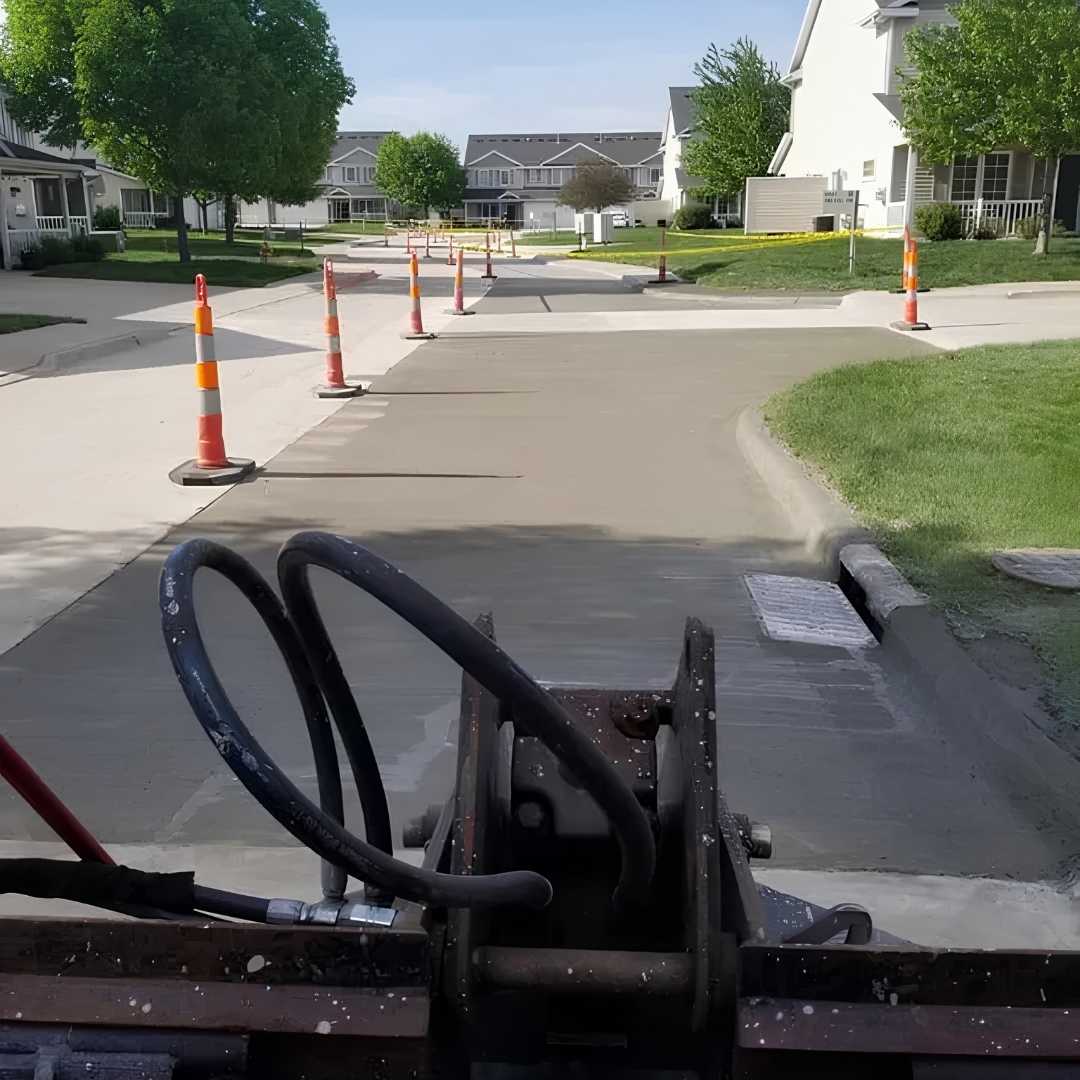
What to look for in a concrete contractor comes down to the work you can't see once the slab is finished: how the crew prepares the soil, which reinforcement and mix it chooses, what equipment it uses to place the concrete, and how clearly it explains all of it before you sign. Hiring someone to pour a driveway or patio might seem straightforward until the estimates start coming in. One contractor recommends a thicker slab. Another offers a much lower price. A third barely mentions preparation. The right checks can help you avoid drainage problems, premature cracking, and unexpected charges while finding a team that respects your property and communicates throughout the project.
Quick Concrete Solutions is a concrete contractor in Waukee, a western suburb of Des Moines, that installs concrete driveways for homeowners in Central Iowa. On Episode 10 of The Concrete Blueprint, Andrew Quick, who owns the company, told host Mike Downer what separates one concrete company from another, and this guide turns his answers into ten checks. If you want the questions to bring to each estimate, start with our list of questions to ask a concrete contractor before hiring.
What Should You Look for in a Concrete Contractor?
Look for ten signs: relevant experience, state registration and insurance, completed work you can check, careful site preparation, a drainage plan, a mix and reinforcement matched to the job, the right placement equipment, sound finishing and curing, a written estimate that separates price from cost, and clear communication through cleanup.
Each item tells you something different. Good reviews indicate how a company treats customers, while a detailed installation plan shows whether the crew has considered the conditions beneath the finished surface. You need both. Andrew compared a good-looking slab with poor work underneath to "a Ferrari sitting in your driveway with no motor in it." A beautiful driveway on installation day means little if poor preparation causes it to settle later.
How Can You Evaluate a Contractor's Experience and Qualifications?
Start with the people doing the work, because concrete projects vary in size and complexity, so experience, accountability, and a verifiable track record all matter.
1. Look for Experience With Similar Projects
Ask how often the company installs the kind of surface you need. A crew that regularly handles residential driveways understands vehicle loads, access around a home, and the importance of smooth transitions to sidewalks and garages. Patios involve different considerations, including outdoor living layouts and drainage away from the house.
Request examples that resemble your project, especially if the site slopes or an old slab needs removal. Also ask who will supervise the job and whether the same crew handles preparation, placement, and finishing.
2. Verify Registration and Insurance
In Iowa, most construction contractors earning at least $2,000 annually from construction must register with the state. The Iowa Department of Inspections, Appeals, and Licensing provides registration information and ways to check a contractor's status. Registration is not a workmanship certification, and local permit requirements may still apply.
Ask for proof of general liability insurance and workers' compensation coverage when required. Confirm that documents are current and match the business providing your estimate. If a contractor says no permits are necessary, ask how that determination was made, particularly for driveway approaches, sidewalks, or work near public property.
3. Review Completed Work and Customer Feedback
Photos can reveal neat edges and consistent finishes, but they don't tell the whole story. Look for reviews discussing punctuality, jobsite cleanup, communication, and how the finished concrete performed after installation.
Ask whether you can speak with a recent customer who had a similar project. A trustworthy contractor should be comfortable explaining past work, including how the crew addressed unexpected conditions. You're evaluating the experience of working together, not just the appearance of a fresh pour.
What Installation Practices Affect Concrete Durability?
Site preparation, drainage, the mix and reinforcement, the placement equipment, and finishing and curing decide most of a slab's durability, and nearly all of that work is settled before the surface is finished. "At Quick Concrete Solutions in Waukee, we invest in the work that you can't see," Andrew said. "That's what separates quality work that can last thirty-plus years from concrete that falls apart in five years or less."
4. Ask How the Crew Reads Your Soil and Prepares the Base
Concrete needs a stable foundation. Depending on your property, preparation may include removing old material, excavating unsuitable soil, placing an appropriate aggregate base, and compacting the subgrade. Skipping these steps can contribute to settlement and uneven slabs, even when the concrete itself was mixed correctly. The Federal Highway Administration's field manual for concrete pavements names expansive soils as one of the major causes of uneven subgrade support.
Andrew said soil in Iowa varies from one area to the next, and many new developments are stripped down to clay before a driveway goes on top. "Expansive clay is something you want to stay away from," he said, because it causes problems for foundations, driveways, patios, and sidewalks alike. A contractor who knows the ground should be able to explain when an over-dig or secondary prep is needed.
Ask what the contractor expects to find beneath the existing surface and how they will handle soft spots. On a big project, Andrew said, it can be worth asking for Proctor testing, which checks soil density, so the subgrade work can be verified. It's also worth asking whether hauling away debris and restoring adjacent disturbed areas are included.
5. Discuss Drainage Before the Pour
Water should not collect against your home's foundation or remain trapped on a new slab. Contractors should assess existing grades and explain how the completed driveway, patio, or walkway will direct runoff.
For example, replacing a sunken driveway without addressing the original drainage pattern could leave you with a newer version of the same problem. Ask where rainwater will flow and whether the proposed slope affects garage access, steps, landscaping, or neighboring surfaces.
6. Understand the Concrete Mix, Thickness, and Reinforcement
Not every slab needs the same specifications. A residential driveway, backyard patio, and equipment pad may have different loading and exposure conditions. A contractor should recommend thickness and reinforcement based on intended use, local requirements, and site conditions.
Ask what concrete mix is proposed and whether it is suitable for exterior exposure to freezing and thawing. Air entrainment is commonly used to help exterior concrete resist freeze-thaw damage. Andrew said the choice can run from a 4,000 PSI exterior mix to a 5,000 PSI mix with structural fiber and rebar for a homeowner who wants a thirty-year driveway, depending on the soil, the slope, and whether the slab carries vehicles or a hot tub.
Reinforcement may help control crack widths, but it does not replace stable soil or proper joint planning. Rebar, wire mesh, and structural fiber mixed in at the ready-mix plant are all options, and a good contractor tells you which one fits and why. Contractors "should be educating the homeowner on exactly what they're going to do, why they're doing it," Andrew said.
7. Ask What Equipment Will Place and Consolidate the Concrete
Equipment choices show how seriously a contractor approaches placement. Vibrators help release trapped air from concrete in footings, and vibratory screeds do similar work at the surface so the concrete settles properly around the forms.
On larger pours with rebar set on chairs, a pump truck can place concrete where it needs to go, and the concrete is handled less on the way. "We don't want guys having to shovel concrete twenty feet, fifty feet, or whatever it might be," Andrew said. The right equipment depends on the job, so ask the contractor what they plan to use and why.
8. Check Finishing, Control Joints, and Curing
The finishing method affects appearance and traction. An exterior broom finish, for instance, can provide texture underfoot, while decorative finishes require their own maintenance considerations.
Concrete also shrinks as it hardens. Control joints encourage cracks to form at planned locations, not randomly across the slab. The American Concrete Institute explains that contraction joints create a deliberate weakened plane to regulate where cracking occurs. Ask how joints will be laid out and when they'll be cut or formed.
Curing matters just as much as finishing. Fresh concrete needs suitable moisture and temperature conditions to develop strength. As the American Cement Association explains, continued hydration during curing contributes to stronger, more durable concrete. A good contractor will give you specific instructions about protecting the surface and when it can handle foot and vehicle traffic.
How Should You Compare Estimates and Project Agreements?
Compare estimates line by line, because two bids aren't comparable unless they include the same work, materials, and expectations, even when a low quote looks attractive.
9. Request a Written Estimate That Separates Price From Cost
A useful estimate identifies the project dimensions, demolition and disposal, base preparation, concrete specifications, reinforcement if included, finishing, and cleanup. It should also explain exclusions and how unexpected conditions will be priced.
Imagine one bid includes removing an old driveway and preparing a new base, while another covers only placing fresh concrete. The second number might be lower without representing a better deal. Ask contractors to clarify differences before choosing.
Price and cost are not the same thing. Higher-grade concrete and extra preparation can raise the price up front, but they can lower the cost of owning the slab by delaying replacement, which is why the shortcuts behind a cheap bid tend to show up later. Andrew said his crew lets customers choose the quality level and adjusts the mix design or a few features when budget matters. You should know what the quoted price buys and what could change it.
10. Expect Clear Communication, Cleanup, and Written Terms
Ask when the crew expects to begin, how long the active work should take, and what could delay it. Weather, site access, additional excavation, and concrete delivery schedules can affect the plan, and a slab may look finished before it is ready for a parked vehicle.
A professional crew also explains how the work will affect your household and neighbors. Andrew said his team asks about pets and young children before work starts, and he described final cleanup as removing screws, extra concrete, wood, and debris, followed by proper backfill and seeding.
Before signing, make sure the agreement reflects the estimate, payment schedule, approximate timeline, and process for approving additional work. Ask what any workmanship warranty covers, how concerns should be reported, and whether exclusions apply. Concrete can develop some cracking even with good installation, so be cautious of promises that no crack will ever appear.
Why Does Local Experience Matter in Des Moines?
Local experience matters because Central Iowa weather and soils add another layer to concrete planning. Winter freezing and thawing, summer heat, moisture, and deicing products can all affect exposed surfaces. Contractors who work regularly in Des Moines, Waukee, West Des Moines, Ankeny, and surrounding communities should be prepared to discuss those conditions.
Ask how the proposed concrete mix, drainage plan, and curing approach account for the season. If installation is scheduled during colder weather, discuss temperature protection and whether delaying the pour would be wiser.
Which Warning Signs Should Make You Keep Looking?
Keep looking when an estimate consists of only a price, with no mention of base preparation, drainage, or specifications. Other warning signs include pressure to pay a large amount immediately, reluctance to provide insurance information, vague timelines, and promises that concrete will never crack.
An unusually low bid deserves questions, not an automatic rejection. The contractor might have a legitimate reason for the price, but you should understand what is included. If answers keep changing or important details remain verbal, request everything in writing.
What Is the Clearest Sign of a Quality Concrete Contractor?
The clearest sign is knowledge the contractor is willing to share. Asked for the most reliable indicators, Andrew said the one that covers almost everything is "basic knowledge and understanding," including project flow, materials, equipment, and the client's needs, along with how the surroundings will affect the concrete over the years.
He said homeowners often choose Quick Concrete Solutions because of how much information they get up front about how the project will go and why. The crew also brings the standards it uses on government projects to residential driveways. Compare the answers, not just the prices, because a contractor who walks through these details is helping you understand the long-term investment you're making.
Who Can Give You Straight Answers About Your Concrete Project?
Quick Concrete Solutions can, and its crew works on driveways, patios, sidewalks, and other flatwork across Central Iowa. Knowing what to look for in a concrete contractor makes it easier to separate a thoughtful installation plan from a tempting price tag, so focus on clear explanations, written details, and a crew willing to address your property's specific needs.
Have questions about your property or competing estimates? Request a free estimate from Quick Concrete Solutions, and we'll help you understand the work involved so you can move forward with confidence.
Where Can You Watch the Full Episode?
Watch Episode 10 of The Concrete Blueprint on YouTube, or listen on Apple Podcasts, to hear Andrew Quick explain what separates one concrete company from another.
Frequently Asked Questions
What Should I Look for in a Concrete Contractor?
Look for relevant experience, state registration and insurance, careful soil and base preparation, a mix and reinforcement matched to the job, the right placement equipment, and a detailed written estimate.
How Do I Know if a Concrete Contractor Is Reliable?
Check state registration where applicable, insurance, recent references, and examples of similar projects. Reliable contractors provide written estimates and explain installation methods without avoiding questions.
Should I Choose the Cheapest Concrete Contractor?
Not automatically. Compare preparation, concrete specifications, finishing, and cleanup alongside price. A less expensive quote may exclude work essential to your project's durability.
What Should a Concrete Estimate Include?
Look for dimensions, demolition, disposal, base work, materials, reinforcement if applicable, finishing, cleanup, payment terms, and exclusions. Ask how unexpected costs will be approved.
Do Concrete Contractors Need Insurance?
Ask for general liability coverage and applicable workers' compensation documentation. Iowa also requires most qualifying construction contractors to register, but registration and insurance serve different purposes.
What Is a Proctor Test?
A Proctor test checks soil density, which helps show whether the ground under a slab was prepared and compacted properly. Andrew Quick said it can be worth requesting on a big project.
How Early Should I Contact a Concrete Contractor?
Reach out while you're planning your budget and design. Contractor availability, project complexity, permitting, and seasonal weather can influence how soon work can begin.